Is it cheaper to leave the heating on low all day?
The short answer
No, for most homes. The Energy Saving Trust calls it a myth: if the heating is on all day, you're losing heat all day. It's usually cheaper to use a timer so the heating only comes on when you need it. Damp-prone homes can be an exception.
No bank login
Photo deleted after checking
No account needed
No paper bill? A screenshot from your provider’s app or online account works too.
Your home loses heat all the time, faster when it's warmer inside. Keeping it warm all day means paying to replace that heat all day. Martin Lewis puts it simply: having the heating on only when you need it is, in the long run, the best way to save energy.
When it might not be
Damp-prone homes. Some engineers say low, steady heat helps stop condensation on cold walls.
Vulnerable people. Islington Council advises vulnerable households not to let the home drop below 18°C, and says a steady 18°C helps prevent damp and mould.
Heat pumps work best running steadily at a lower temperature. Follow your installer's advice.
What to set the thermostat to
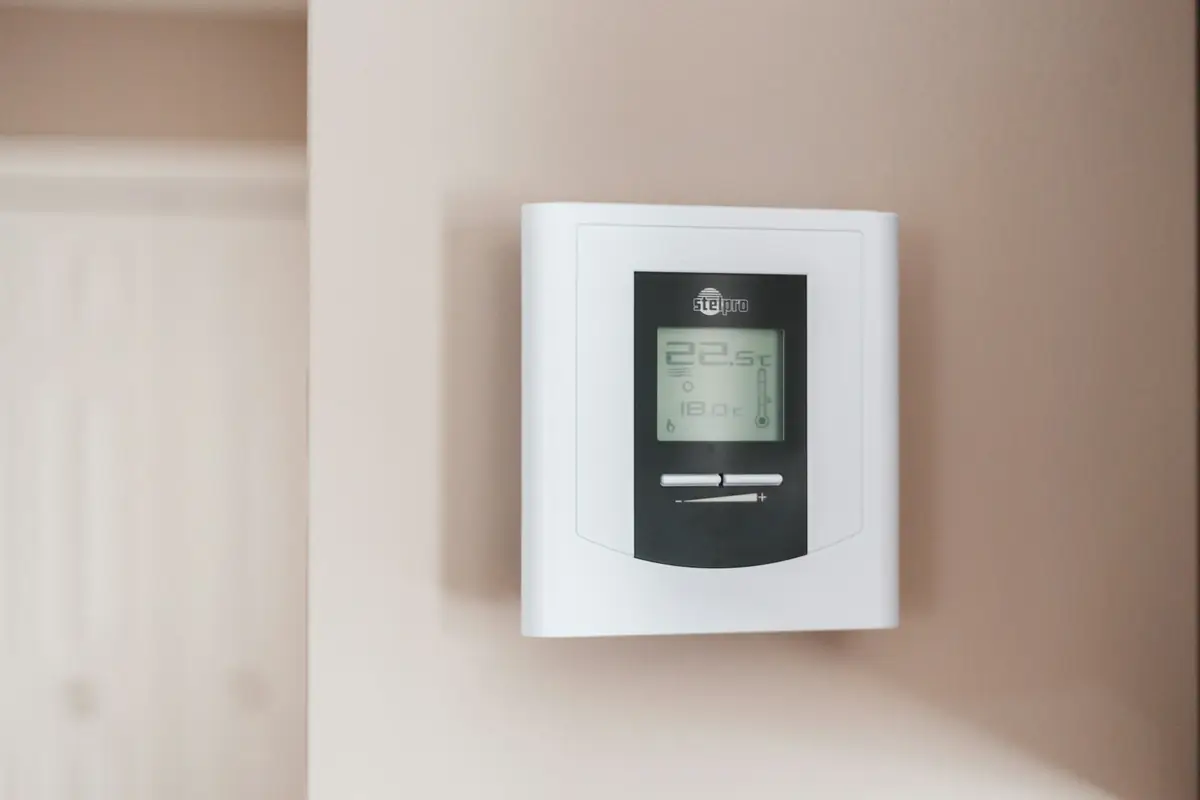
Aim for the lowest temperature you're comfortable at, often around 18°C to 21°C.
Islington Council says turning the thermostat down from 22°C to 21°C can save about £90 a year.
Set the timer to come on about half an hour before you get up or get home.
The boiler setting that saves money
If you have a combi boiler, set its flow temperature (the radiator dial on the boiler) to 60°C or lower. Research quoted by Which? found this can save 8 to 9% of your heating bill. If you have a hot water cylinder, don't set it below 65°C unless an engineer does it.